Side Projects Are Part of the Job
Why giving people space to build on their own leads to better teams, sharper instincts, and stronger products
Most of the people I’ve worked with who level up fastest are the ones who regularly build things on the side. Not because they’re distracted, but because they’re actively learning. They’re testing ideas, picking up new tools, building taste, and strengthening instincts.
These projects may happen outside the scope of a sprint, but they tend to pay dividends inside the company.
Why Side Projects Matter for Individuals
When you build something on your own, you build differently. You’re forced to make decisions end to end — not just as a designer, engineer, or PM, but as the whole team. You write, prioritize, test, launch, promote.
That level of ownership translates directly into sharper decision-making at work.
Side projects also allow space for experimentation. Most day jobs are structured around execution. Side projects create room for curiosity — to follow a hunch, try a new technology, or test a product idea that might not make it through the roadmap process.
And they’re motivating. Building something with your own name on it creates momentum. That energy often carries over into the rest of your work.
A Personal Example
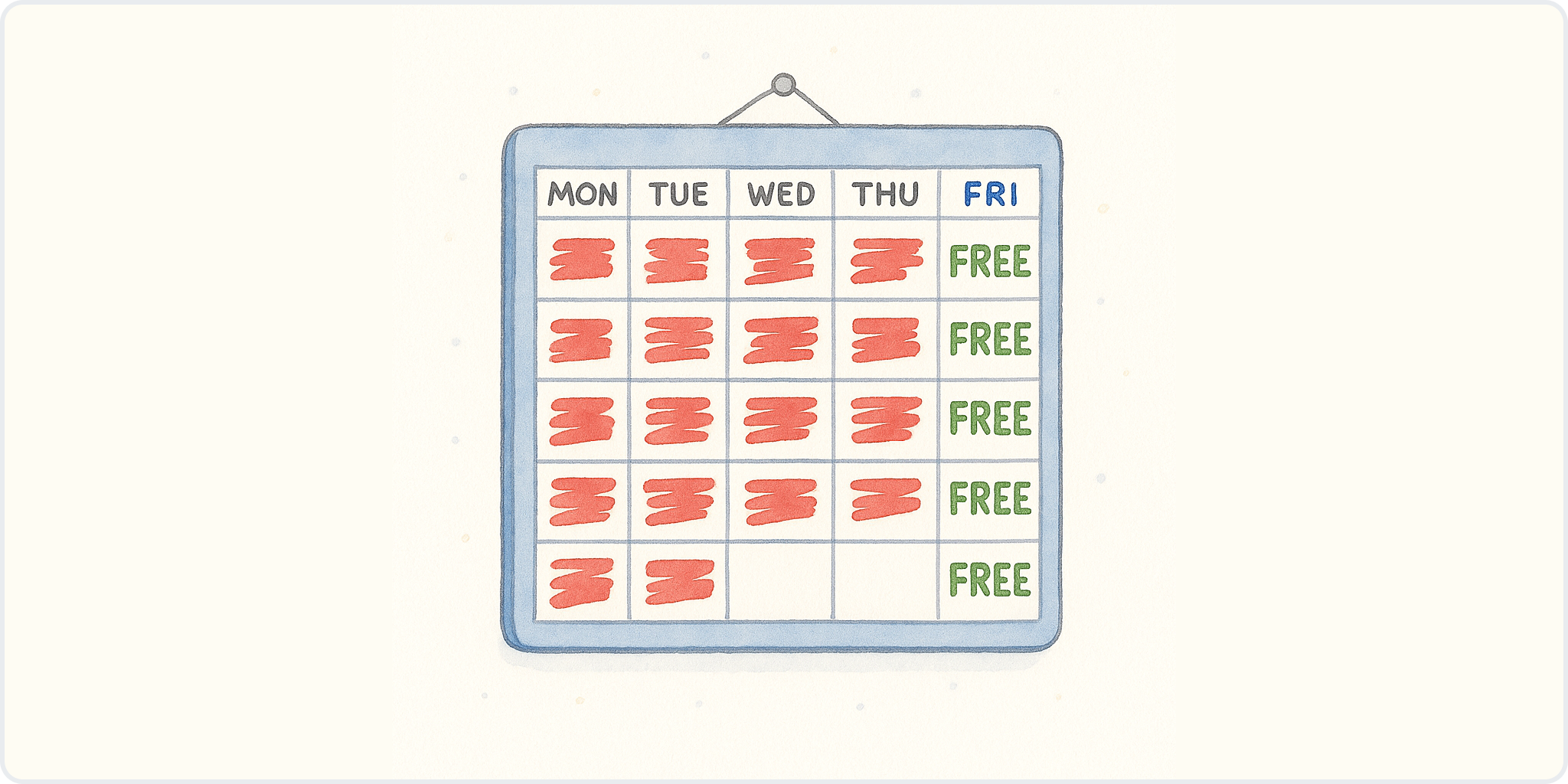
A couple of years back, I worked at a company where we kept Fridays open — no meetings, no structured work. Just space to explore. I used that time to focus on a problem that had been bothering me: users were signing up, but they weren’t sticking around. Our metrics showed the drop-off, but didn’t explain it.
So I spent my Fridays digging in — watching friends onboard, asking questions, mapping friction points. What I found wasn’t dramatic: the experience had too many dead ends and not enough clarity around what to do next.
That exploration led to a set of product changes that significantly improved retention and helped users unlock the product’s core value faster. But the breakthrough didn’t come from sprint work — it came from a side project. From time and space to chase down a problem that wasn’t yet prioritized.
Why Companies Benefit
Companies get value from this in quiet but important ways.
You get sharper, more confident team members. You get new tools, workflows, and ideas that often emerge from these side explorations. You build a culture that rewards curiosity and self-direction.
Side projects also improve retention. When people feel like they’re growing, they’re more likely to stay. Giving space for independent exploration doesn’t compete with company goals — it supports them.
And in some cases, these projects directly influence product direction. I’ve seen tooling ideas, onboarding improvements, and marketing campaigns originate from things people built outside the scope of their main role.
My Framework for Thinking About Side Projects
Here’s how I evaluate side projects inside a company — whether mine or someone else’s:
-
Is it helping them build momentum?
If someone is learning or gaining confidence through the project, that’s a positive signal. -
Are they leveling up?
These projects often accelerate development faster than formal training. You can feel the growth. -
Is there overlap with what they bring to work?
Side projects tend to spill over — whether that’s a sharper instinct for UX, a new technical capability, or just better creative taste. -
Would I want more people doing this?
The answer is usually yes. People who build tend to be more proactive, thoughtful, and resourceful across the board.
Side projects are one of the most reliable signs that someone is growing — and often, that the culture is working. They shouldn’t be hidden or discouraged. They should be understood, supported, and sometimes even celebrated.