Onboarding Should be Manual Until it Hurts
You can’t fix product stickiness if you’re not in the room.
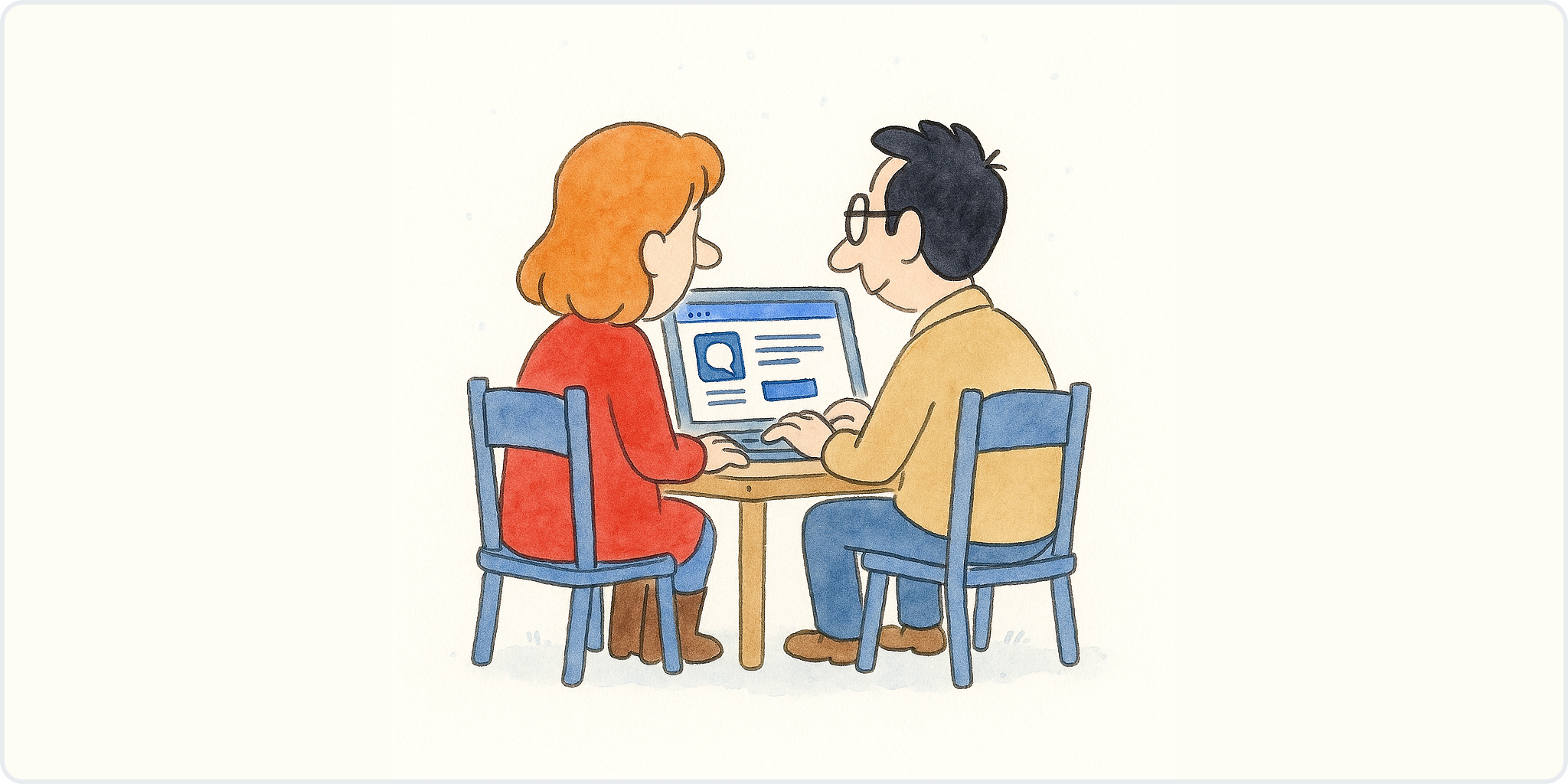
Too many teams try to scale onboarding too early. They build automated flows, walkthroughs, tooltips, and drip campaigns before they’ve figured out what actually helps people succeed.
That’s a mistake.
The goal at the start isn’t scale — it’s understanding. And the fastest way to get there is by doing onboarding manually. One person at a time. Through calls, shared docs, screen recordings, and follow-ups.
It doesn’t scale, and that’s the point. It forces clarity — on what matters, what’s broken, and whether your product is delivering value.
What Curated Onboarding Looks Like
It’s straightforward:
- Talk to every new user
- Walk them through setup
- Watch them use the product
- Ask questions
- Follow up
If something breaks, fix it. If something’s unclear, rewrite it. If the value isn’t obvious, rethink the feature.
Why I Trust This
I’ve used this approach across teams, products, and companies.
In one case, we started with self-serve onboarding. Completion was low. Feedback was vague. Once we switched to high-touch onboarding, things changed. We saw what was confusing, what language resonated, and what we had completely missed.
In another case, we rolled out curated onboarding at scale. It still worked — not because it was personal, but because it gave people exactly what they needed to get started, with no friction and no guesswork.
Today, we still do it. It’s the fastest path to product insight and the best way to build trust early.
Metrics That Matter
Manual onboarding gives you signal on things that actually matter:
- Do people get value fast?
- Do they stick around?
- Do they tell you what’s broken without being asked?
- Do they say “this is exactly what I needed” — or not?
Most teams don’t need more data. They need better conversations.
Final Note
Manual onboarding is one of the most effective ways to build the right thing. Not forever — just long enough to know what’s actually working.
After that, scale is easy; jk, more like easier.